Solar Nails vs Gel Nails: The Ultimate Guide to Bio Gel, UV Gel & Solar Powder
Solar Nails vs Gel Nails:
Bio Gel, UV Gel & Solar Gel Compared
Not all gel nails are the same — and solar nails are not gel at all. This complete 2026 guide breaks down solar nails vs bio gel, solar gel vs UV gel, and every key difference: durability, cost, removal, nail health, and which system wins for your lifestyle.
Solar nails are a UV-resistant acrylic system (no lamp needed) lasting 3–5 weeks. Bio gel is a flexible, breathable UV-cured gel lasting 3–4 weeks. UV gel nails require a UV/LED lamp and offer a glossy, natural feel with 2–3 weeks of wear. Each suits a different nail goal.
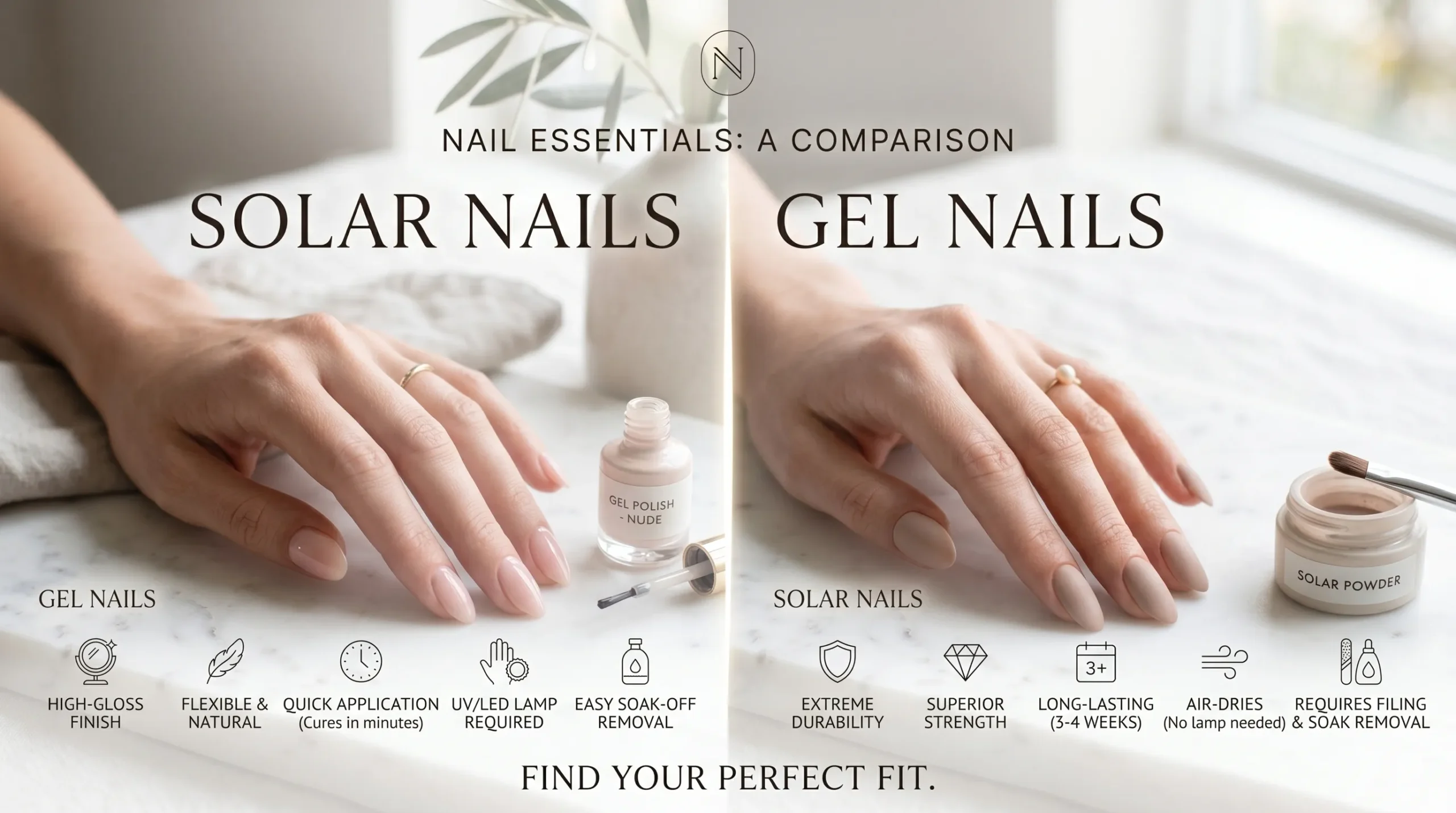
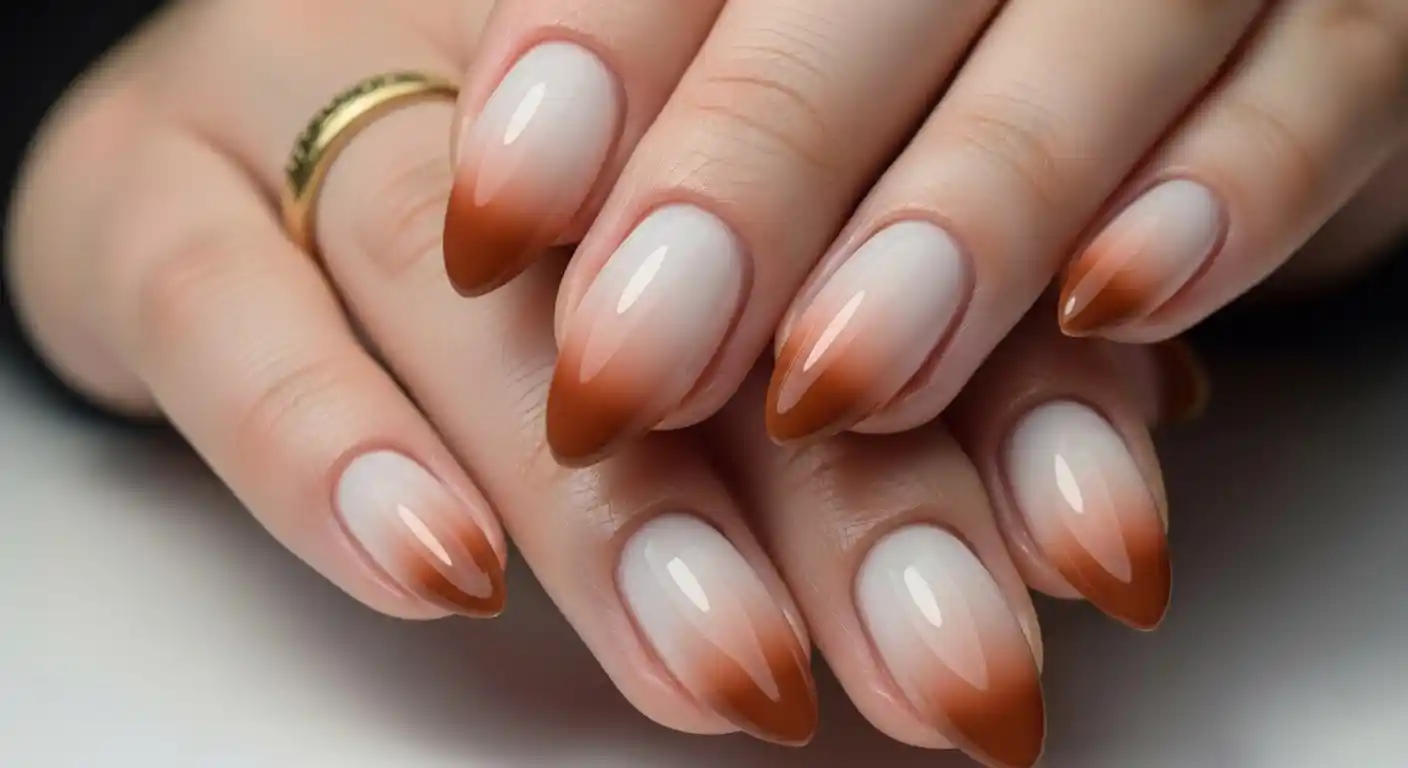
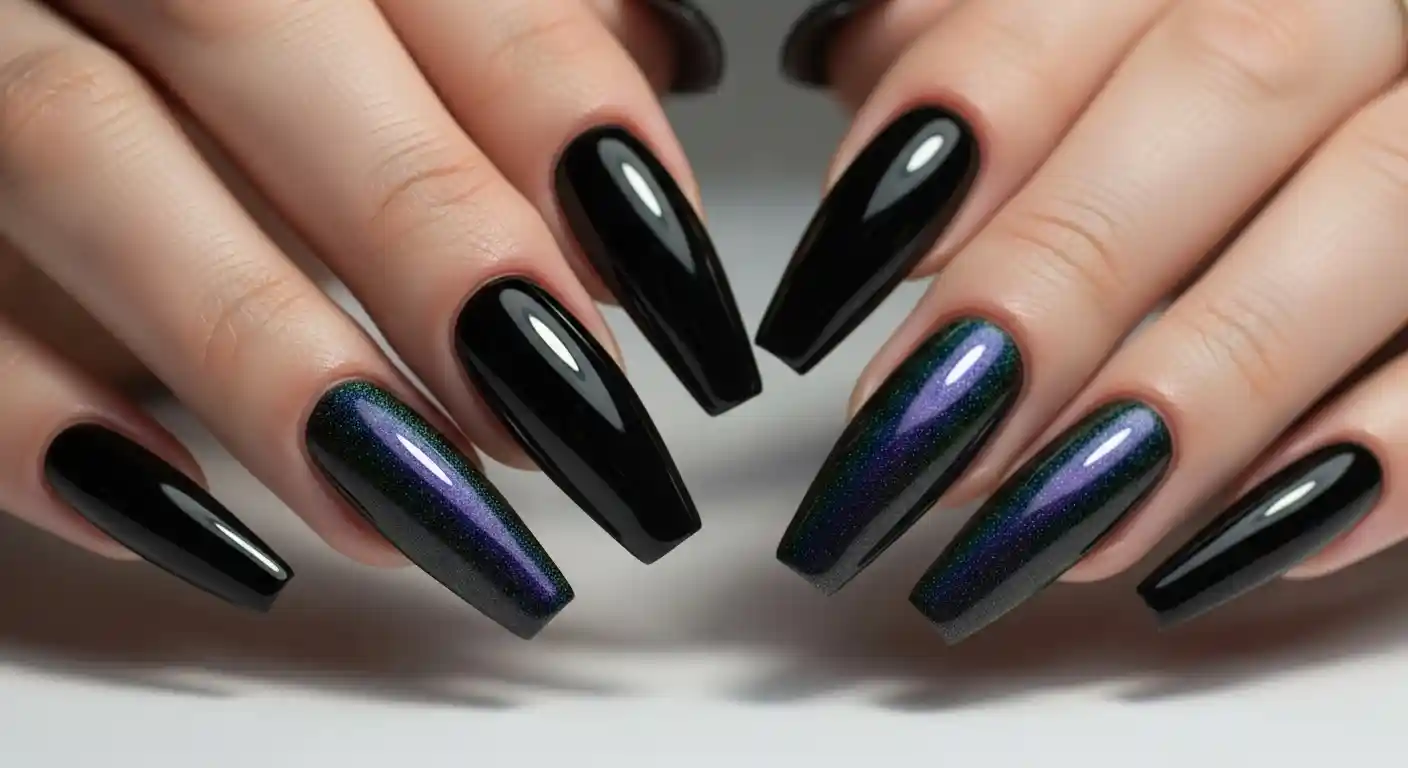
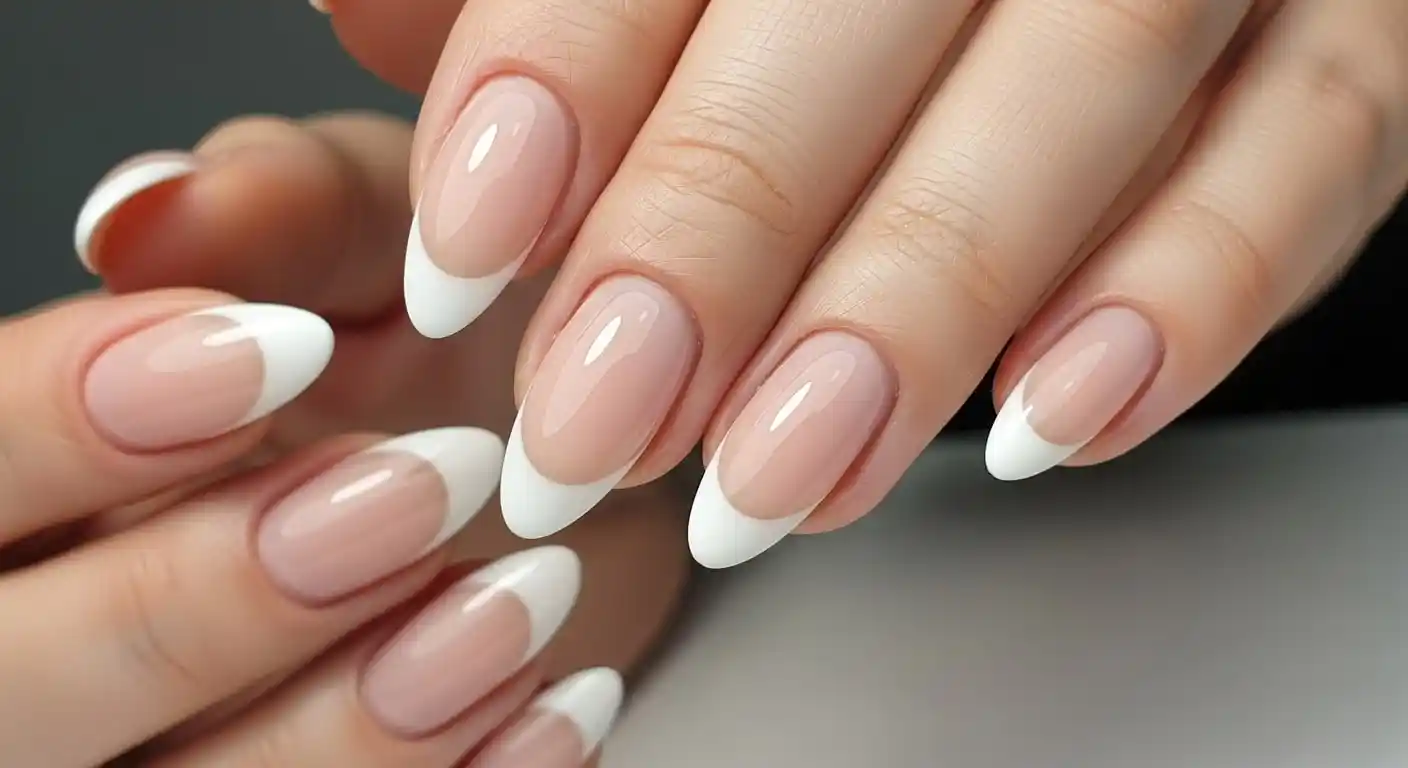
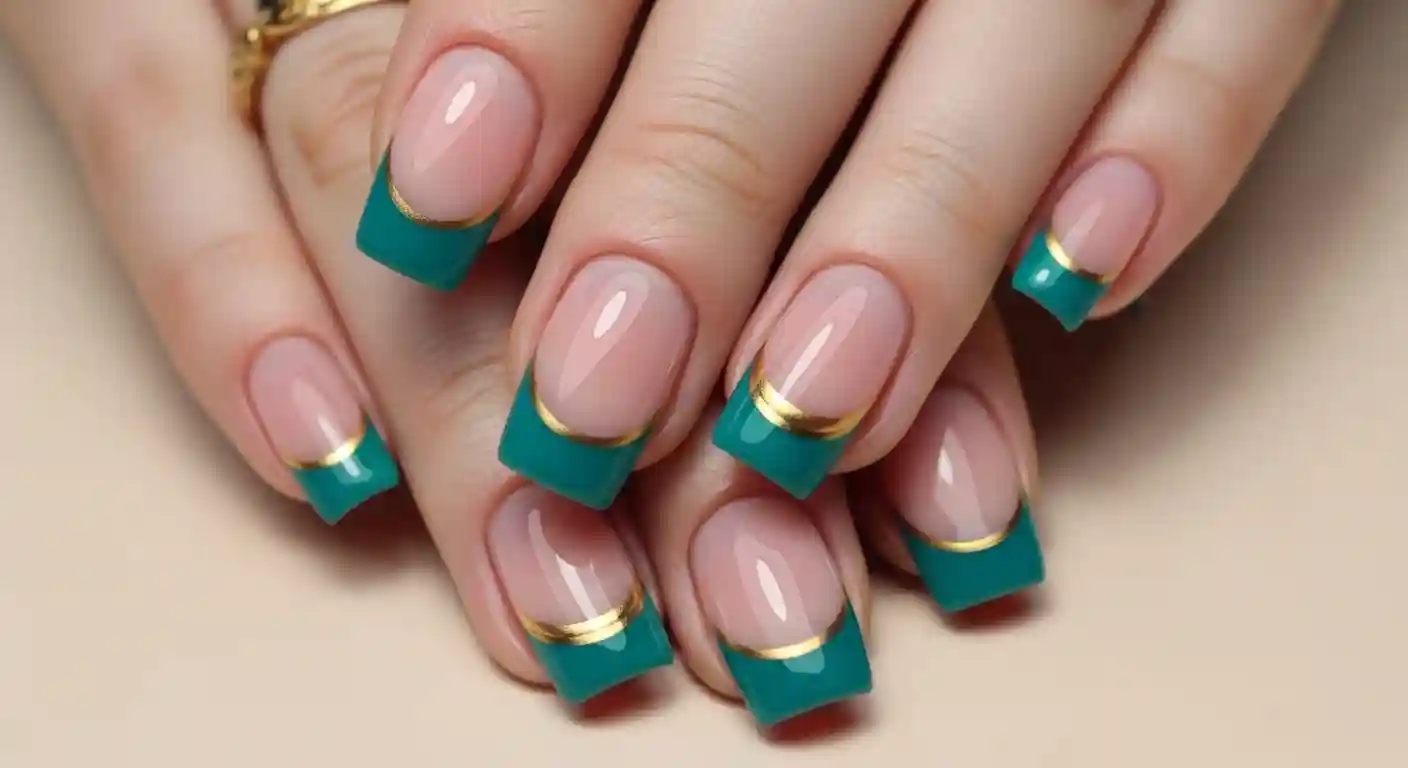
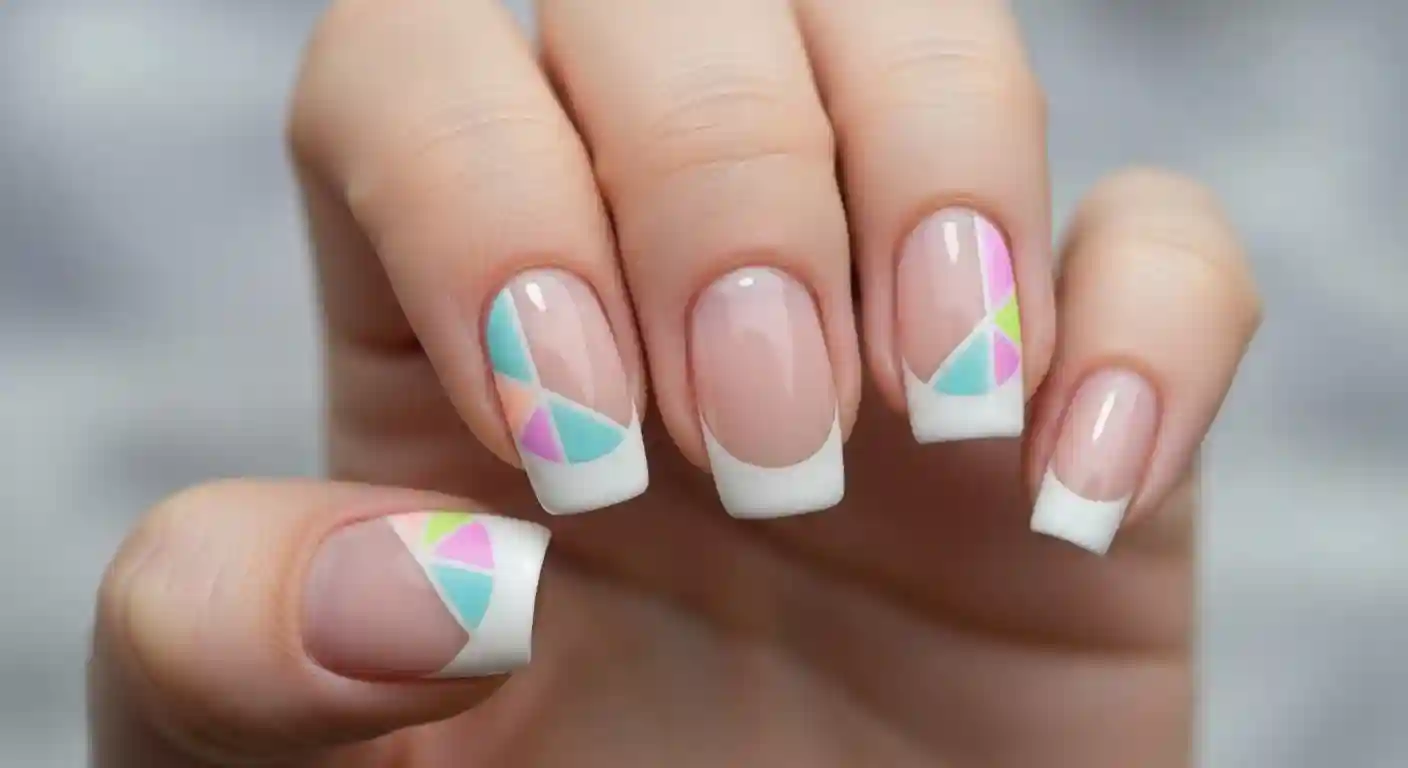
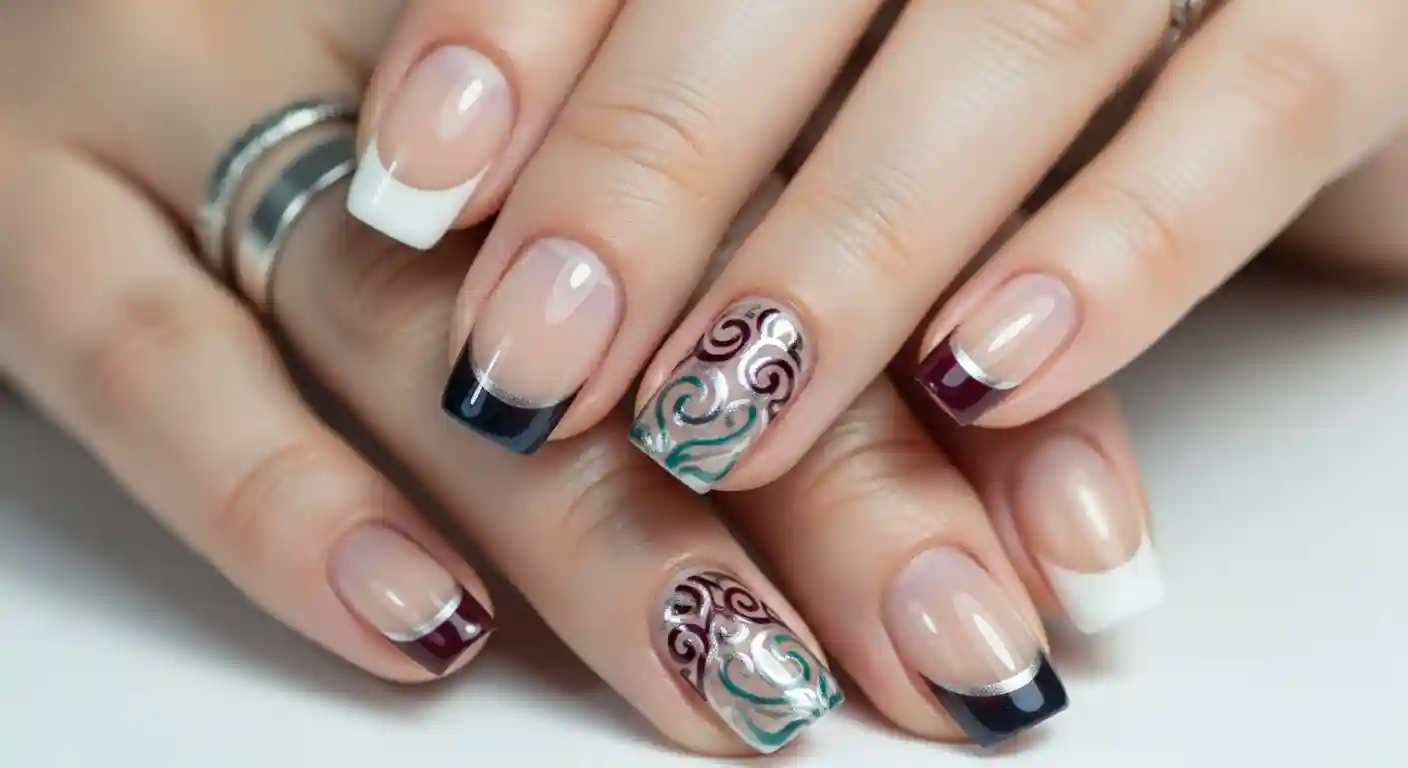
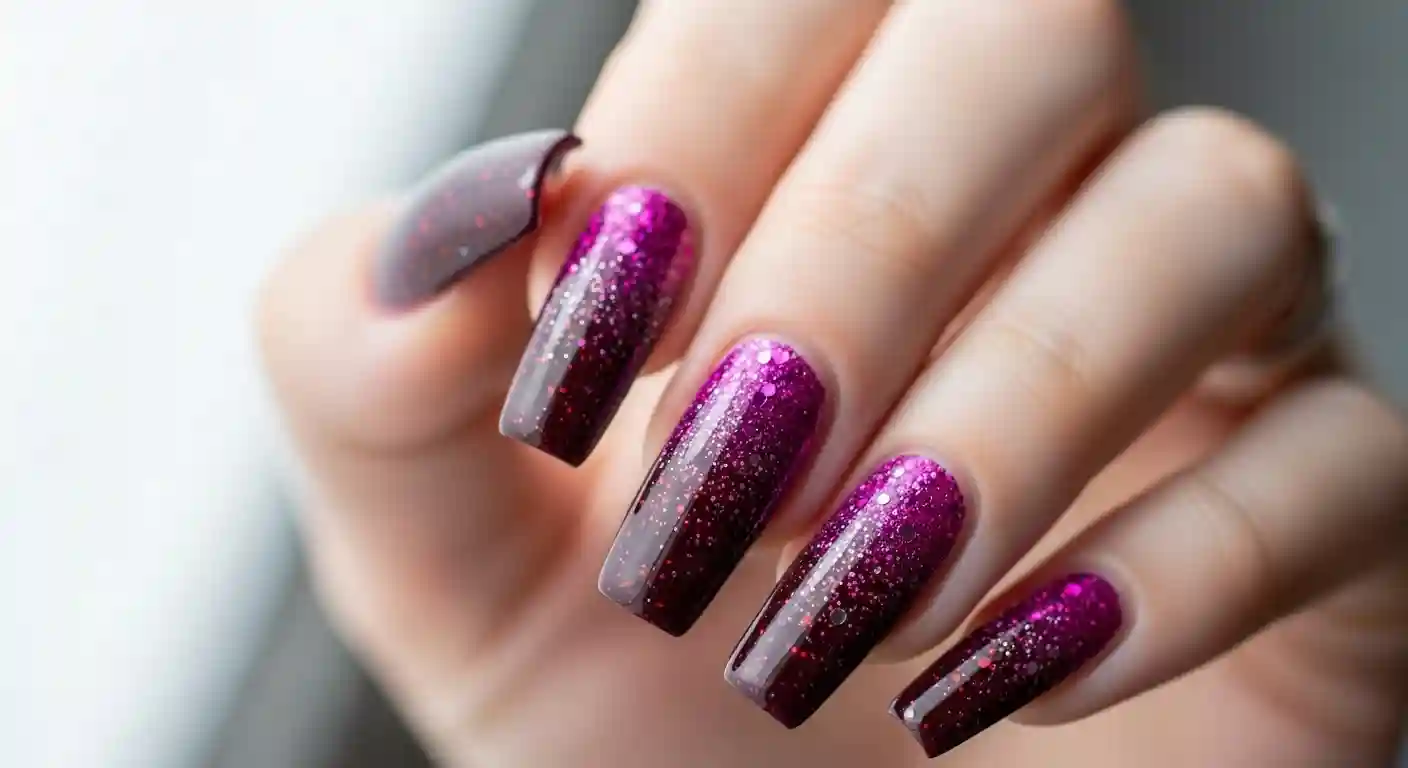
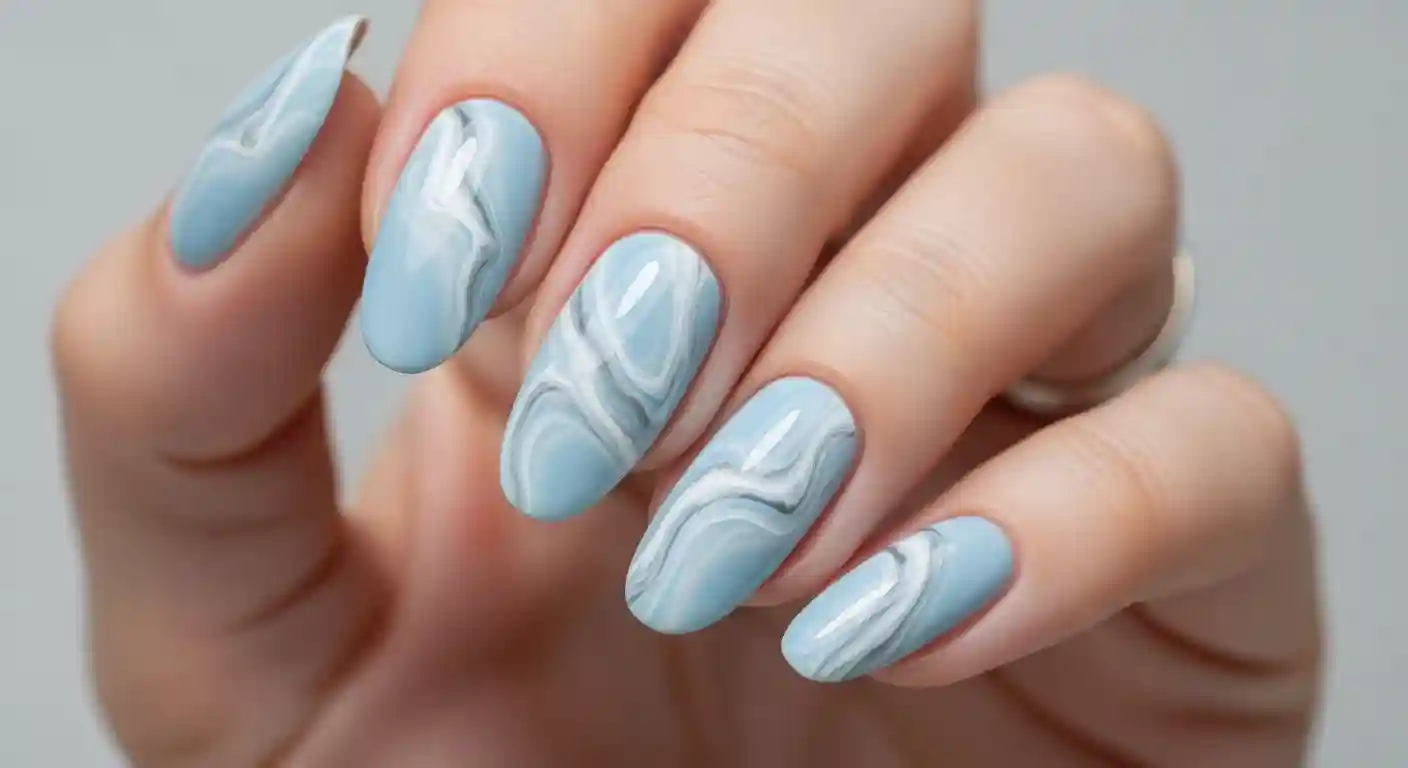
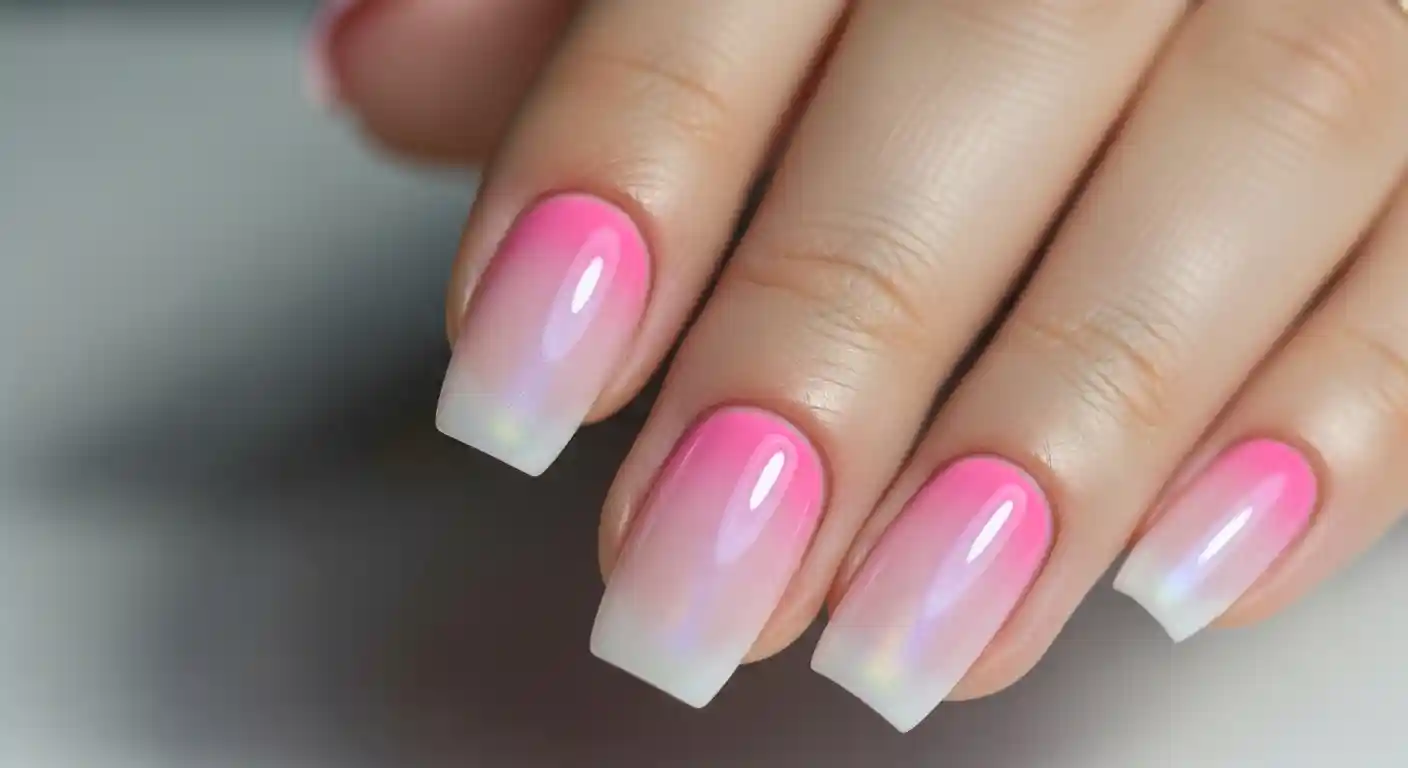
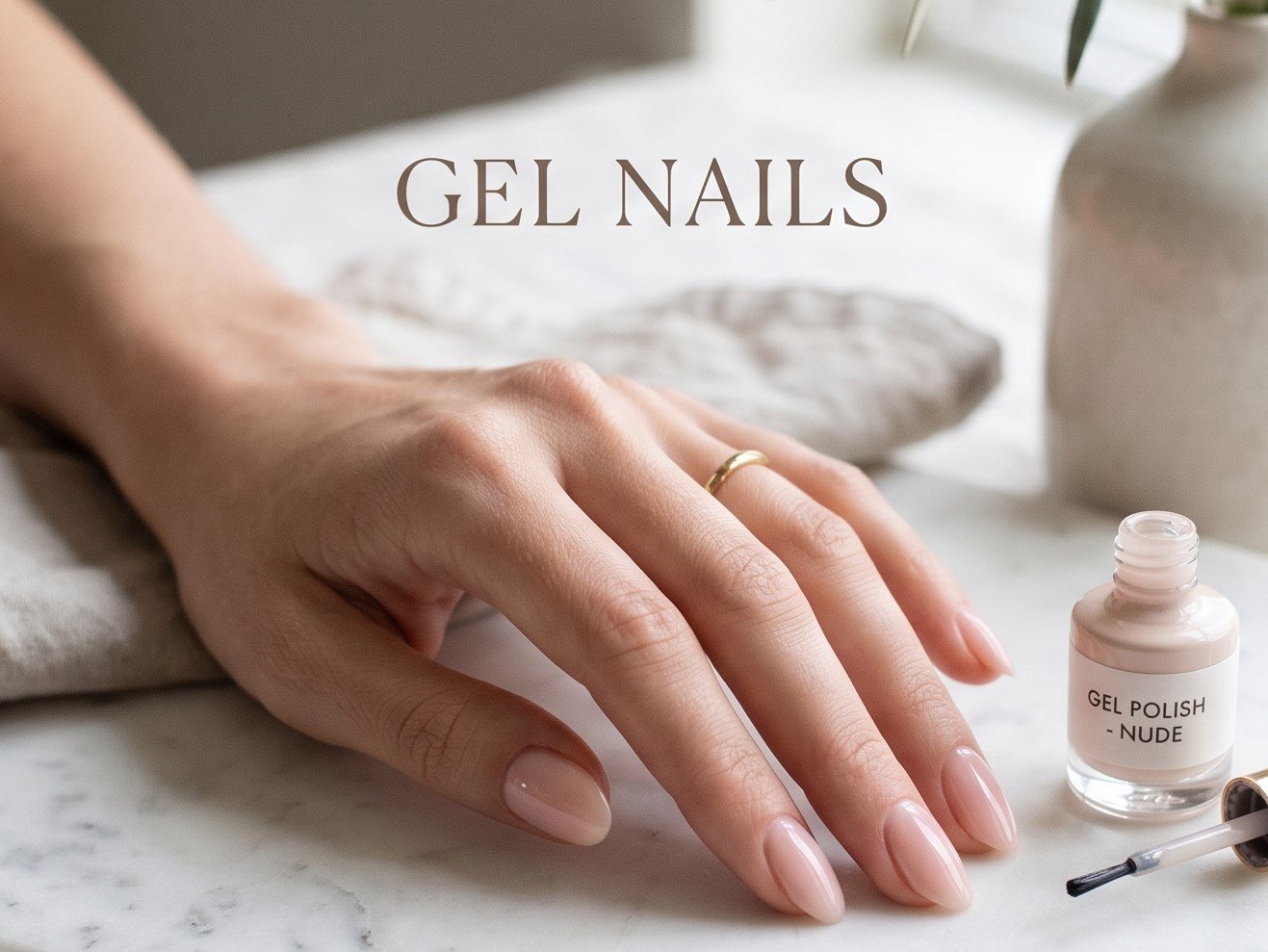
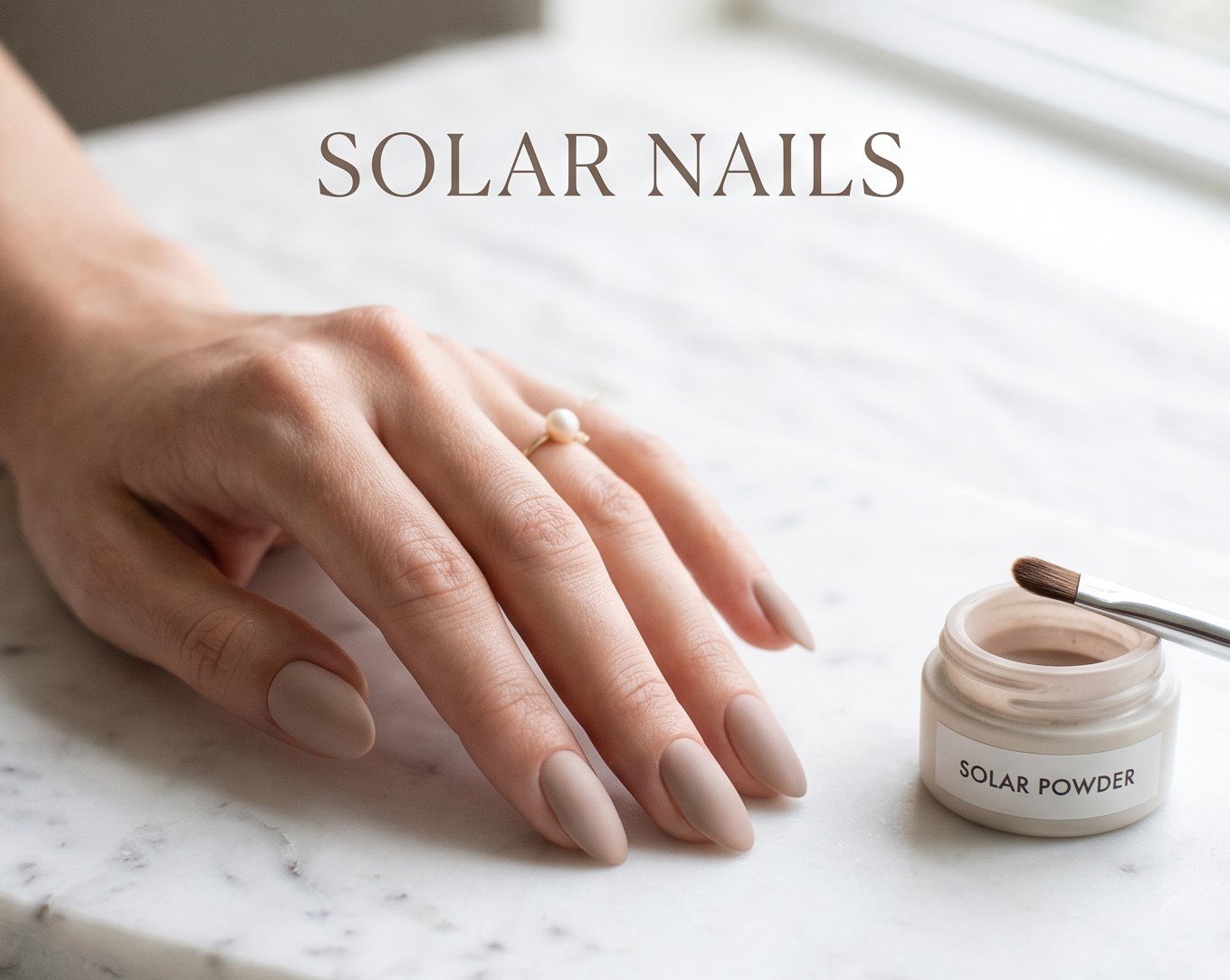
Solar nails are a UV-stabilized acrylic nail system by CND that air-cures without any UV lamp. Gel nails is a broad category covering both bio gel (a flexible, rubber-like gel) and UV gel (a hard, shiny gel) — both of which require UV or LED lamps to cure. The key difference: solar nails use acrylic chemistry; gel nails use polymer gel chemistry.
What Are Solar Nails, Bio Gel & UV Gel?
When comparing solar nails vs gel nails, the first thing to understand is that “gel nails” covers two very different products: bio gel and UV gel. Each behaves differently, lasts differently, and suits different nail types and lifestyles. Solar nails, meanwhile, are not gel at all — they are an acrylic-based system.
Here is a clear definition of each type before we dive into the comparisons:
Solar Nails (Solar Gel)
A UV-stabilized acrylic nail system originally developed by Creative Nail Design (CND). Applied using a brush-and-bead acrylic technique, solar nails air-cure through polymerization — no UV or LED lamp required. Often called “solar gel nails” colloquially, though they are technically an acrylic product. Known for their UV-resistance, exceptional durability, and built-in French manicure finish.
Bio Gel Nails
A flexible, rubber-like gel system that cures under UV or LED light. Bio gel (sometimes called “builder gel” or “biogel”) contains a breathable polymer formula that flexes with the natural nail, reducing the risk of cracking and lifting. It bonds directly to the natural nail without primers, making it gentler on nail health than acrylic systems. Popular in Canada, Australia, and the UK.
UV Gel Nails
A hard, shiny gel nail system cured under UV or LED light. Traditional UV gel nails create a glossy, glass-like finish and feel lighter and more natural than acrylics. They include gel polish (shellac), hard gel extensions, and soft gel systems. UV gel is the most common nail enhancement type globally, prized for its high shine and comfort, though slightly less durable than solar or bio gel.
Many salons use “gel nails” and “solar nails” interchangeably, which causes significant confusion. When a client asks for “solar gel nails,” a technician may apply bio gel, UV gel, or actual solar (acrylic) nails — three entirely different products with different properties, costs, and maintenance schedules. Knowing the distinction helps you get exactly what you want and pay the right price.
Bio Gel vs Solar Gel Nails — Detailed Comparison
Bio gel vs solar gel is consistently one of the most searched nail comparison questions — and it makes sense, because these two systems are the most commonly confused. Here is the complete breakdown of how they differ across every key factor:
Solar gel: An acrylic polymer-monomer system with UV stabilizers. Rigid, strong, and air-curing.
Solar nails: Air-cures in 2–3 minutes through oxidation — no lamp, no light, no heat equipment needed.
Solar: Rigid and impact-resistant. Chip-proof for 3–5 weeks. Better for active or physically demanding lifestyles.
Solar: Creates a sealed acrylic layer over the nail with minimal oxygen exchange; technically less breathable.
Solar: Heavier, stiffer feel. High-gloss shine without polish. Classic French manicure aesthetic built in.
Solar: CA$55–$85 / US$45–$70 for a full set. Slightly more accessible at standard nail salons.
Solar: Requires more prep filing; acetone soak for removal. May thin nails over many consecutive sets if not rested.
Solar: File the surface layer, then soak in 100% acetone for 15–25 minutes with foil wraps. Slightly longer process.
Choose bio gel if you prioritize nail health, flexibility, a natural feel, and have a less physically demanding lifestyle. Choose solar nails if you want maximum durability, a longer time between fills, or a built-in French manicure look. Both are premium options — the right choice depends entirely on your lifestyle and nail goals.
UV Gel vs Solar Gel Nails — Key Differences
While bio gel is the premium flexible alternative, UV gel nails (the classic hard gel or gel polish system) is what most people think of when they say “gel nails.” Here is how UV gel compares to solar nails specifically:
| Factor | ☀️ Solar Nails | 💜 UV Gel Nails |
|---|---|---|
| Curing method | Air oxidation — no lamp ✦ | UV or LED lamp required |
| Durability | 3–5 weeks ✦ | 2–3 weeks (gel polish) 3–4 weeks (hard gel) |
| UV resistance (yellowing) | Excellent — UV-stabilized ✦ | Moderate — may yellow with sun exposure |
| Feel on nail | Rigid, heavier | Lightweight, natural feel ✦ |
| Color variety | Classic pink-white + polish over top | Hundreds of gel polish colors ✦ |
| Odour during application | Strong chemical monomer smell | Low odor ✦ |
| Removal ease | Medium — foil wrap 15–25 min | Easy — soak 10–15 min ✦ |
| Cost (full set) | $45–$70 (USA) | $35–$65 (USA) — slightly cheaper ✦ |
| Best for | Active lifestyles, French look, long wear ✦ | Color variety, natural feel, budget-friendly |
If you frequently spend time outdoors, swim, or need nails that hold up under physical work, solar nails win on durability and UV resistance. If you love changing your color frequently, want a lighter feel, or work in environments where strong chemical odors are not appropriate, UV gel nails are the better fit.
Solar Nails vs Bio Gel vs UV Gel — Full Comparison Table
This is the most comprehensive solar nails vs gel nails comparison available anywhere — covering all three system types across every factor that matters to real clients:
| Feature | ☀️ Solar Nails | 🌿 Bio Gel | 💜 UV Gel |
|---|---|---|---|
| Product type | Acrylic (UV-stabilized) | Flexible builder gel | Hard/soft gel |
| UV lamp needed? | No ✦Winner | Yes (UV/LED) | Yes (UV/LED) |
| Durability | 3–5 weeks ✦Winner | 3–4 weeks | 2–3 weeks |
| Flexibility | Low (rigid) | High ✦Winner | Medium–High |
| Natural feel | Medium | High ✦Winner | High |
| UV resistance (no yellowing) | Excellent ✦Winner | Good | Moderate |
| Breathability | Low | High ✦Winner | Low–Medium |
| Application odour | Strong (monomer) | Low ✦Winner | Low–Medium |
| Color options | Built-in + polish over | Wide range | Hundreds of gel colors ✦Winner |
| Nail health impact | Moderate | Low ✦Winner | Low–Moderate |
| Removal difficulty | Medium (foil wrap) | Easy ✦Winner | Easy–Medium |
| Fill maintenance | Every 3–4 weeks ✦Winner | Every 3–4 weeks | Every 2–3 weeks |
| Cost (USA full set) | $45–$70 | $50–$80 | $35–$65 ✦Most affordable |
| Best for | Active lifestyles, French lovers, UV exposure | Nail health, natural feel, flexibility | Color variety, budget, natural look |
✦ = advantage in that category. Based on industry averages; results vary by brand, technician, and individual nail condition.
Solar Nails: Pros & Cons
Before choosing solar nails over gel, here is a balanced view of everything they offer — and every limitation to be aware of:
| ✅ Pros of Solar Nails | ❌ Cons of Solar Nails |
|---|---|
| No UV lamp required. Cures through air oxidation — zero equipment investment for the client and faster setup at the salon. | Strong chemical odor. Liquid monomer has a powerful smell that some clients and pregnant women cannot tolerate. Requires good salon ventilation. |
| Exceptional durability (3–5 weeks). Outperforms all gel types in longevity — ideal for those who want maximum time between salon appointments. | Rigid feel. The acrylic structure is stiffer than bio or UV gel. Active nail bending (typing, musical instruments) takes adjustment. |
| UV and yellowing resistant. The formula maintains its color under sun exposure, swimming, and tanning — something standard acrylics and UV gel cannot match. | Longer removal process. Requires filing then 15–25 minutes of acetone soaking. Cannot simply peel or pop off safely. |
| Built-in French manicure. The classic pink-and-white acrylic application delivers a permanent French look without polish that chips or fades. | Less breathable than bio gel. The solid acrylic layer provides less oxygen exchange with the natural nail, which can contribute to dehydration over many consecutive sets. |
| Fill-only maintenance. Only the new nail growth needs addressing every 3–4 weeks — no full removal required for months, reducing acetone exposure overall. | Not suitable for severely damaged nails. Existing fungal infections, trauma, or extreme thinning must be resolved before application. |
| Superior strength vs gel. Chip and crack resistant even under physical stress, making solar nails ideal for tradespeople, nurses, gardeners, and athletes. | Higher upfront cost. Full sets start at $45–$70 in the USA and CA$55–$85 in Canada — more expensive than standard gel polish or UV gel manicures. |
Gel Nails (Bio Gel & UV Gel): Pros & Cons
Gel nails come in two main forms — bio gel and UV gel — and each has its own distinct strengths and weaknesses relative to solar nails:
🌿 Bio Gel Pros & Cons
| ✅ Pros of Bio Gel | ❌ Cons of Bio Gel |
|---|---|
| Genuinely breathable. Bio gel’s porous polymer structure allows some oxygen exchange with the natural nail — the most breathable enhancement option available. | Requires UV/LED lamp. Cannot air-cure; a professional lamp is mandatory for every coat applied. |
| Flexible and impact-absorbing. Bends with the natural nail rather than snapping — ideal for people who tend to break standard acrylics. | Can lift under pressure. The flexibility that makes bio gel comfortable also means heavy-handed use or excessive moisture can cause lifting at the cuticle edge. |
| Gentler on natural nails. No aggressive primer; minimal filing prep. Most compatible with fragile or damaged natural nails. | Higher price point. Bio gel is a specialty product and requires specific training; fewer salons offer it, which drives up cost ($50–$80 full set). |
| Low odor. No liquid monomer means no strong chemical smell — suitable for clients sensitive to fumes or working in scent-restricted environments. | Less widely available. Not every nail salon stocks bio gel or has trained technicians. Common in Canada and Australia; less so in the USA. |
💜 UV Gel Pros & Cons
| ✅ Pros of UV Gel | ❌ Cons of UV Gel |
|---|---|
| Extremely glossy finish. UV gel creates the highest-shine, most mirror-like finish of any nail system — prized for its polished appearance. | Shorter lifespan (2–3 weeks). Standard UV gel polish begins to chip and lose luster faster than solar or bio gel. |
| Hundreds of color options. The gel polish market offers thousands of shades and finishes — far more variety than the built-in tones of solar acrylic. | UV lamp exposure. Repeated UV lamp use raises minor cumulative skin exposure concerns (though modern LED lamps reduce this significantly). |
| Lightweight and comfortable. UV gel is significantly thinner and lighter than solar acrylic — many clients prefer the natural, barely-there feel. | Can yellow outdoors. Without the UV-stabilizing formula of solar nails, UV gel may discolor with prolonged sun exposure, especially in lighter shades. |
| Most affordable gel option. Gel polish full sets start at $35–$65 in the USA — typically the most budget-friendly salon enhancement option. | More frequent appointments. 2–3 week lifespan means more visits per year than solar or bio gel — the long-term cost can equalize or exceed solar. |
Which Damages Natural Nails Less? Solar vs Gel
Nail health is often the deciding factor for clients choosing between solar nails, bio gel, and UV gel. Here is a clear, honest breakdown of what each system does to your natural nails over time:
Based on overall impact across application, wear, and removal: 1st — Bio gel (most gentle; breathable, minimal prep, easiest removal). 2nd — UV gel (lightweight, fast removal, low odor). 3rd — Solar nails (strongest but requires more acetone and prep time). Note: with proper application and removal by a trained technician, all three systems are safe for regular use.
Tips for Protecting Natural Nails Under Any Enhancement
- Schedule fills every 3–4 weeks — overgrown enhancements create stress fractures at the nail bond.
- Apply cuticle oil twice daily to keep the nail bed hydrated under any enhancement.
- Give natural nails a 2–4 week rest between full removal and new sets — especially after 6+ months of continuous wear.
- Never forcibly peel or rip off any enhancement type — this strips surface nail layers and causes lasting thinning.
- Wear rubber gloves when cleaning with bleach, harsh detergents, or acetone-based products.
- Tell your technician immediately if you notice lifting — trapped moisture under any enhancement risks bacterial or fungal growth.
Cost Comparison: Solar Nails vs Gel Nails
Pricing varies significantly by country, city, salon tier, and nail technician. Here is a clear, market-accurate breakdown for the most common regions:
UV gel: $35–$65
Fills: $25–$40
UV gel: CA$45–$75
Fills: CA$30–$50
UV gel: £30–£55
UV gel: AU$45–$80
When calculating annual cost, frequency matters as much as per-visit price. Solar nails and bio gel require ~13 salon visits per year (every 4 weeks). UV gel polish requires ~18–26 visits (every 2–3 weeks). Despite higher per-visit pricing, solar nails and bio gel often cost less annually due to longer wear between appointments. Always calculate total annual cost, not just the upfront set price.
How to Remove Solar Gel, Bio Gel & UV Gel Nails
Removal method is one of the most practically important differences between nail types. Here is how each system comes off:
Solar / Solar Gel Removal
File the shiny top surface to break the seal, then soak in 100% acetone-soaked cotton wrapped in foil for 15–25 minutes. Gently push off softened acrylic with a cuticle pusher. Buff smooth and hydrate. Time: 30–45 minutes.
Bio Gel Removal
Soak in acetone for 10–15 minutes (or use foil wraps). Many bio gel brands partially peel away in sections after soaking. Gently push off, buff lightly, and apply cuticle oil. Time: 20–30 minutes. Some formulations can be filed off without acetone.
UV Gel / Gel Polish Removal
Lightly file off the shiny top coat, then soak in acetone for 10–15 minutes using foil wraps or a bowl soak. Gel polish slides off easily in sheets. Time: 20–25 minutes. Soft gels can be removed with minimal acetone.
Step-by-Step: Removing Solar Gel Nails at Home
- 1File the top surface
Use a coarse 80-grit file to dull the entire surface of each nail. You do not need to file through the acrylic — just break the shiny seal so acetone can penetrate. This step reduces soak time by 30–40%.
- 2Protect surrounding skin
Apply petroleum jelly or thick cuticle oil around (not on) each nail to protect the skin from drying out during acetone exposure.
- 3Soak cotton in 100% acetone and wrap
Saturate a cotton ball with pure acetone, press it against the nail surface, and wrap tightly with a small square of aluminum foil. Repeat for all ten fingers to prevent acetone evaporation.
- 4Wait 15–25 minutes
Leave wraps in place until the acrylic feels soft and gummy. For older or thicker sets, allow the full 25 minutes. Never rush this stage — under-soaked acrylic will not release cleanly.
- 5Gently push off softened acrylic
Remove one wrap at a time and slide the softened acrylic off using a cuticle pusher. Apply light, sweeping pressure only — never scrape hard. Rewrap any resistant nails for 5 more minutes.
- 6Buff smooth and nourish
Use a 220-grit buffer to lightly smooth the natural nail surface. Apply generous cuticle oil and a thick hand cream. Your nails will feel temporarily soft — avoid picking or biting for 24 hours while they re-harden.
Forcibly peeling solar nails, bio gel, or UV gel strips the top layers of your natural nail, causing lasting thinning, sensitivity, and surface damage. Patience with the acetone process always protects your nail health long-term.
See the Best Solar Nail Designs for 2026
Browse our curated galleries of solar nail colors, shapes, French tips, and seasonal art ideas.
Browse Nail Designs Solar vs AcrylicWho Should Choose Solar, Bio Gel, or UV Gel?
Based on the full comparison above, here is a clear decision guide for choosing the right nail system for your lifestyle, priorities, and nail health:
- You want the longest time between salon visits (3–5 weeks)
- You swim, garden, play sports, or work physically demanding jobs
- You love the classic pink-and-white French manicure look
- UV exposure (tanning beds, outdoor work, beach vacations) is a concern
- You prefer not needing UV/LED lamp equipment at the salon
- You want fill-based maintenance without frequent full removal
- Nail health and breathability are your top priority
- You have fragile, thin, or damaged natural nails that need gentle treatment
- You want a flexible, natural-feeling enhancement that bends with your nail
- Strong chemical smells are an issue (workplace, pregnancy, sensitivity)
- You are based in Canada or Australia where bio gel is widely offered
- You want easier removal with less acetone exposure
- You love changing your nail color frequently (every 2–3 weeks)
- Color variety and the widest shade selection matter most to you
- You want the highest-gloss, mirror-like finish available
- You are looking for the most budget-friendly enhancement option
- A lightweight, barely-there nail feel is your preference
- You are new to nail enhancements and want the easiest introduction
Yes — some technicians offer hybrid services. For example, a solar (acrylic) overlay for strength and structure, finished with UV gel polish for a wider range of colors and high shine. This combination gives you the durability of solar with the color flexibility of gel polish. Ask your nail technician if they offer a “solar with gel top coat” service.
FAQ — Solar Nails vs Gel Nails
Solar gel nails are an acrylic-based system that air-cures without a UV lamp. They are rigid, highly durable (3–5 weeks), and UV-resistant. Bio gel nails are a flexible polymer gel system that requires UV or LED lamp curing. Bio gel is breathable, gentler on natural nails, and lasts 3–4 weeks. The key differences are: cure method (air vs. UV lamp), flexibility (rigid vs. flexible), and breathability (low vs. high). Both are premium options — solar wins on durability; bio gel wins on nail health and flexibility.
Solar nails are not universally better than gel nails — each excels in different areas. Solar nails are better for durability (3–5 weeks vs 2–4 weeks), UV resistance, and active lifestyles. Gel nails (especially bio gel) are better for nail health, breathability, flexibility, and natural feel. UV gel nails offer more color variety and a lower cost. The “best” option depends on your lifestyle, nail health, and aesthetic preferences.
No. Solar nails cure through air oxidation — a chemical reaction between the liquid monomer and powder polymer that hardens without any UV or LED lamp. This is one of the key distinctions between solar nails and gel nails. Gel nails (both bio gel and UV gel) require UV or LED lamp curing. Solar nails are sometimes called “solar gel nails” colloquially, but they are an acrylic product and require no lamp equipment.
Solar gel nails are an acrylic system that air-cures and lasts 3–5 weeks with excellent UV resistance and chip resistance. UV gel nails require a UV or LED lamp to cure, have a lighter and more flexible feel, offer hundreds of color options, and typically last 2–3 weeks. Solar nails are stronger but heavier; UV gel nails are lighter but less durable. Solar nails are UV-resistant and won’t yellow outdoors; UV gel can discolor under prolonged sun exposure.
Solar nails generally last longer than bio gel. Solar nails typically wear for 3–5 weeks before a fill is needed. Bio gel lasts 3–4 weeks. The difference is due to solar nails’ rigid acrylic structure, which is more impact-resistant and less prone to lifting than bio gel’s flexible polymer formula. However, with proper care and regular fills, both systems can be maintained for months before full removal is required.
Solar nails are a type of acrylic nail, but not all acrylics are solar nails. The term “solar nails” refers specifically to CND’s UV-stabilized acrylic formula that resists yellowing under sunlight and maintains a high-gloss finish without a top coat. Standard acrylic nails can yellow within weeks of UV exposure. Solar nails use superior UV-protective agents that standard acrylic formulas do not contain. Both are acrylic systems requiring no UV lamp to cure.
Bio gel is generally considered better for natural nail health than solar nails. Bio gel requires minimal surface prep, no harsh primers, and its breathable formula allows some oxygen exchange with the natural nail. It is also easier to remove with less acetone exposure. Solar nails require more surface filing during application and a longer acetone soak for removal. However, when applied and removed correctly by a trained technician, both systems are safe for regular use with appropriate nail rest between sets.
In the USA, a full set of solar nails costs $45–$70, bio gel costs $50–$80, and UV gel costs $35–$65. In Canada, solar nails run CA$55–$85, bio gel CA$60–$95, and UV gel CA$45–$75. Over a full year, solar nails and bio gel may cost less in total than UV gel despite higher per-visit prices, because they require fewer appointments annually (13 vs 18–26 visits).
Explore More Nail Guides
Dive deeper into nail types, designs, care tips, and expert comparisons.