
What Are Solar Nails?
Definition, Designs & Full Guide
Solar nails are a UV-resistant acrylic nail system by CND — stronger than gel, longer-lasting than standard acrylics, and zero UV lamp required. Explore solar nail designs, meanings, colors, and step-by-step removal in this complete 2026 guide.
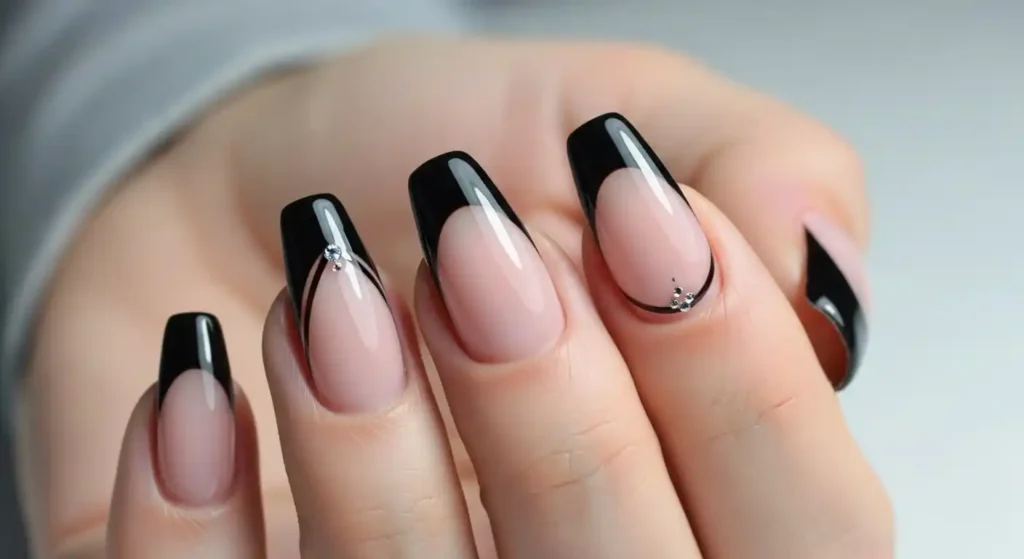

Solar nails are a professional acrylic nail enhancement made from a proprietary blend of acrylic powder and liquid monomer originally developed by Creative Nail Design (CND). Unlike standard acrylic nails, solar nails are UV-resistant, chip-resistant, and maintain a high-gloss finish for three to five weeks without yellowing — making them one of the most durable nail extension options available in salons today.
What Are Solar Nails?
Solar nails are a specific brand of acrylic nail enhancement created by CND (Creative Nail Design). The name “solar” is sometimes used loosely to describe any high-gloss acrylic nail system, but technically solar nails refer to CND’s patented formula that combines pink acrylic powder with a white tip to replicate the look of a classic French manicure — without the need for separate polish.
They are applied directly onto the natural nail by a licensed nail technician using a brush-on monomer and polymer system. Because they cure by air oxidation (not UV light), they are also called “solar gel nails” in some contexts, though true solar nails do not require a UV lamp to harden.
Attributes & How Solar Nails Work
Solar nails stand apart from standard acrylics due to several distinct characteristics:
A nail technician preps the natural nail by lightly buffing the surface and applying a dehydrator. They then use a kolinsky brush dipped in liquid monomer to pick up a bead of colored acrylic powder (pink, white, or clear) and sculpt it directly onto the natural nail or a nail form. The bead self-levels and hardens within 2–3 minutes through air oxidation. No UV lamp is needed.
Pros & Cons of Solar Nails
Here is a balanced look at the advantages and drawbacks so you can decide if solar nails are the right choice for you.
| ✅ Pros | ❌ Cons |
|---|---|
| Long-lasting (3–5 weeks) without chipping or dulling — no top-coat reapplication needed. | Higher upfront cost ($45–$70) compared to a regular polish manicure ($15–$25). |
| UV and yellowing resistant — safe to use tanning beds, swim, or spend time outdoors. | Requires a licensed technician — not an easy DIY application; improper use of monomer can cause chemical burns. |
| Built-in French manicure look — no need for polish on top if you prefer the classic pink-and-white style. | Heavier feel than gel or dip nails — some users find them more rigid and less flexible. |
| Fill-only maintenance — fewer full-removal visits means less acetone exposure for the natural nail. | Monomer fumes — liquid monomer has a strong chemical odor; proper ventilation is essential. |
| Accepts nail art and polish — you can paint over them with regular or gel polish as desired. | Natural nails need recovery time between full sets to prevent thinning or dehydration. |
| Stronger than gel — less likely to crack under pressure or in physically demanding work. | Not suitable for severely damaged nails — existing nail trauma or fungal infections must be resolved first. |
If you work in healthcare, hospitality, or another industry requiring short nails, ask your technician for “solar nail overlays” — the same UV-resistant formula applied flat over the natural nail without extension, offering durability with a shorter length.
Solar Nails vs. Acrylic, Gel & Dip Nails
Not sure which nail system is right for you? Here is how solar nails compare across the most important factors:
| Feature | Solar Nails | Acrylic Nails | Gel Nails | Dip Powder |
|---|---|---|---|---|
| Durability | 3–5 weeks ✦ | 2–3 weeks | 2–3 weeks | 3–4 weeks |
| UV Resistance | Yes ✦ | No | Partial | Partial |
| UV Lamp Required | No ✦ | No | Yes | No |
| Natural Look | High ✦ | Medium | High | Medium–High |
| Flexibility | Low | Low | High ✦ | Medium |
| Odor During Application | High | High | Low | Medium |
| Cost (Full Set) | $45–$70 | $35–$60 | $35–$65 | $30–$55 |
| Fill Maintenance | Every 3–4 wks ✦ | Every 2–3 wks | N/A (soak off) | Every 3–4 wks |
| Removal Difficulty | Medium | Medium | Easy–Medium | Easy ✦ |
| Best For | Active lifestyles, French lovers | Length & sculpting | Natural feel | Low-odor environments |
✦ = advantage in this category. Based on general industry averages; results vary by brand, salon, and individual nail health.
Both are acrylic systems, but solar nails use a superior UV-stabilized formula. Standard acrylics may yellow within weeks; solar nails maintain their color longer. Solar nails also require fewer salon visits due to their extended wear time.
Gel nails are softer, more flexible, and often feel more natural. Solar nails are stronger and more impact-resistant. If you frequently chip gel nails, solar nails may be the better option. Gel nails require UV curing; solar nails do not.
Best Colors for Solar Nails in 2026
Solar nails accept any standard acrylic or gel polish color on top, or can be worn in their natural pink-and-white form. Here are the most popular and trending color styles:
Color Choices by Season
Because solar nails have a built-in sheen, glitter and shimmer polishes look especially vibrant over the glossy acrylic surface. Chrome powder applications also adhere exceptionally well, creating a mirror-like metallic finish with no top coat needed.
How Much Do Solar Nails Cost?
Solar nail pricing varies by country, city, salon tier, nail length, and design complexity. Here is a clear breakdown of what to expect:
What Affects the Price?
- Nail length: Extra-long nails (coffin, stiletto) cost more due to additional material and time.
- Nail art complexity: Hand-painted designs, 3D embellishments, and chrome powder finishes add cost.
- Salon location: Urban salons in major cities charge 20–40% more than suburban or rural locations.
- Technician experience: Master nail technicians and CND-certified educators typically charge a premium.
- Brand of products used: CND Solar products cost more to source than generic acrylic systems.
How Long Do Solar Nails Last?
Solar nails are one of the longest-lasting nail systems commercially available. Under normal conditions, a professionally applied full set of solar nails lasts three to five weeks before a fill is needed. With proper care, you can continue filling the same set for several months before requiring full removal.
How to Make Solar Nails Last Longer
- Wear rubber gloves when cleaning with harsh chemicals.
- Avoid using your nails as tools (opening cans, scraping labels).
- Apply cuticle oil daily to keep the surrounding skin hydrated.
- Use a non-acetone nail polish remover when changing colors on top.
- Schedule fills every 3–4 weeks — overgrown fills put stress on the nail bond.
- Avoid prolonged submersion in hot water (long baths, hot tubs).
- Inform your technician of any lifting immediately — lifted areas can trap moisture and bacteria.
How to Remove Solar Nails (Step-by-Step)
Professional removal at a salon is always recommended to minimize damage to the natural nail. However, if you prefer to remove solar nails at home, follow this safe, structured process:
Never forcibly peel or rip solar nails off. Doing so will strip layers from your natural nail, causing thinning, sensitivity, and potential long-term damage. Patience with the acetone process protects your nails.
Tools You Will Need
- 100% pure acetone (not nail polish remover)
- Coarse nail file (80–100 grit) and buffer block
- Cotton balls or pads
- Aluminum foil (cut into 20 small squares)
- Cuticle pusher or wooden orangewood stick
- Cuticle oil and hand moisturizer
- Optional: nail clips or acetone bowl for soaking
- 1File the Shiny Top Coat
Using a coarse 80-grit file, buff the surface of each solar nail to remove the high-gloss top layer. You do not need to file all the way through — just dull the surface so acetone can penetrate effectively. This step cuts removal time by 30–40%.
- 2Protect the Surrounding Skin
Apply a thin layer of petroleum jelly or cuticle oil around each nail (not on the nail itself) to prevent the acetone from drying out the skin. This is especially important for those with sensitive skin.
- 3Saturate Cotton with Acetone and Wrap
Soak a cotton ball in 100% acetone and place it flat on top of one nail. Immediately wrap that finger tightly with a square of aluminum foil to hold the cotton in place and prevent evaporation. Repeat for all ten fingers.
- 4Soak for 15–25 Minutes
Leave the wraps in place for a minimum of 15 minutes — up to 25 minutes for thicker or older sets. The acrylic should feel soft and slightly gummy when ready. Do not rush this step; under-soaked acrylic will not slide off cleanly.
- 5Gently Push Off the Softened Acrylic
Remove the foil wraps one at a time. Using a cuticle pusher, gently slide the softened acrylic off the nail with light pressure. If it resists, rewrap that nail for another 5 minutes. Never scrape hard — only use gentle, sweeping pressure.
- 6Buff the Natural Nail Smooth
Use a 220-grit buffer to lightly smooth any remaining residue from the natural nail surface. Work in one direction to avoid heat friction. Do not over-buff — one or two light passes is sufficient.
- 7Hydrate and Nourish
Apply cuticle oil generously to each nail and the surrounding skin, massaging it in well. Follow with a thick hand cream. Your natural nails may feel temporarily soft — avoid picking or biting during the following 24 hours while they re-harden.
For a faster alternative, fill a small bowl with pure acetone and soak all ten fingers simultaneously for 20–30 minutes. Keep a bowl of warm water nearby to rewarm the acetone if it cools. Warm acetone works significantly faster than cold or room-temperature acetone.
What Is a Solar Manicure?
A solar manicure is a full nail service that uses the solar nail system — either as a natural-nail overlay (no extension) or with extensions — and includes shaping, cuticle care, and a glossy finish. It is distinct from a standard gel or acrylic manicure in that:
- The pink-and-white color is built into the acrylic, not painted on top.
- No UV lamp is required to cure the material.
- The result looks like a permanent French manicure that grows out naturally.
- Fill appointments maintain the same set for months, reducing chemical exposure.
Many salons advertise “solar manicures” to differentiate their acrylic services as a premium, longer-lasting option. The term is especially common in the United States, Australia, and the United Kingdom.
Not exactly. All solar nails are acrylic nails, but not all acrylic nails are solar nails. “Solar” refers specifically to a UV-stabilized, high-gloss acrylic formula (traditionally by CND) that does not yellow under sunlight. Generic acrylic nails can yellow within weeks of UV exposure, while solar nails resist discoloration significantly longer.
Ready to Explore Solar Nail Designs?
Browse our curated galleries of solar nail colors, shapes, and seasonal nail art ideas.
Browse Nail Designs Compare Nail TypesFrequently Asked Questions About Solar Nails
Solar nails are made from a combination of acrylic polymer powder (typically tinted pink or white) and a liquid acrylic monomer. When mixed and applied to the nail, a chemical reaction called polymerization hardens the product within minutes without needing a UV or LED lamp. The specific CND Solar formula includes UV-stabilizing agents that prevent yellowing from sun or UV light exposure.
Solar nails typically last three to five weeks between fill appointments. With regular fills every 3–4 weeks, the same set can be maintained for three to six months before a full soak-off removal is recommended. Durability depends on nail health, daily activities, and how well after-care instructions are followed.
Solar nails are technically a type of acrylic nail, but they outperform standard acrylics in several ways: they resist UV yellowing, maintain their gloss longer, and typically require fewer maintenance visits. The tradeoff is a higher upfront cost. For people who want a long-lasting, low-maintenance nail enhancement, solar nails are generally the better choice over standard acrylic systems.
Yes, solar nails can be removed at home using 100% acetone, cotton balls, and aluminum foil wraps. File the surface first to break the top seal, soak for 15–25 minutes, then gently push off the softened acrylic with a cuticle pusher. Professional removal is always safer and minimizes the risk of damage to the natural nail.
A solar manicure is a full nail service using the solar nail acrylic system. It includes nail prep, shaping, application of pink-and-white or color acrylic, and finishing for a high-gloss result. Unlike a gel manicure, no UV lamp is needed. The term “solar manicure” is often used to distinguish this premium acrylic service from standard gel or dip powder manicures.
Solar nails are an acrylic system that air-cures without UV light and provides a rigid, long-lasting structure. Gel nails are a softer, more flexible polymer that requires UV or LED lamp curing. Solar nails are generally more durable and impact-resistant; gel nails feel more natural and flexible. Gel nails are easier to remove, while solar nails last longer between maintenance appointments.
When applied and removed correctly by a trained technician, solar nails cause minimal damage to the natural nail. The risk increases with improper removal (peeling or forcing), over-filing during prep, and wearing the same set too long without proper fills. Giving the natural nail a break between sets and using cuticle oil daily significantly reduces any adverse effects.
Solar nails are available in a wide range of colors. The classic option is the pink-and-white French look built into the acrylic itself. You can also choose clear, nude, peach, coral, red, deep burgundy, and virtually any color by applying regular nail polish or gel polish on top of the solar base. Seasonal trends include pastels for spring, brights for summer, and deep jewel tones for fall and winter.
Explore More Nail Guides
Dive deeper into nail types, designs, and care guides.